How Garden Estate Living Redefines Senior Care in Venice, Florida
When my father first moved into a senior living community, I spent weeks visiting different places trying to find one that felt less like a facility and more like a home. I wanted somewhere he could still enjoy the outdoors, feel a sense of calm, and receive the care he needed without losing his independence. That search led me to something I had not considered before: what some providers now call garden estate living.
Garden estate living is not a marketing term. It is a way of designing senior care that prioritizes space, nature, and a slower pace of life. In places like Venice, Florida, where the climate allows year-round outdoor time, this approach makes particular sense. The idea is to create a residential setting where assisted living, memory care, and respite stays all happen in a calm, home-like environment rather than a clinical one. Residents can move through their day with dignity, supported by caregivers who know them personally.
My father ended up in a community that practices this model, and the difference was immediate. He had a small garden outside his window where he could sit in the morning. The staff did not rush him through meals or activities. They understood his routines and preferences. That is the core of what garden estate living offers: personalized support wrapped in a setting that feels like a real neighborhood, not an institution.
The Shift Toward Person-Centered Care
Traditional senior living communities often organize life around schedules and efficiency. Meals at set times, group activities, medication passes. But person-centered care flips that. It asks: what does this individual need to feel whole? For many older adults, that means access to nature, quiet spaces, and the freedom to choose how they spend their time. Garden estate living embodies this shift.
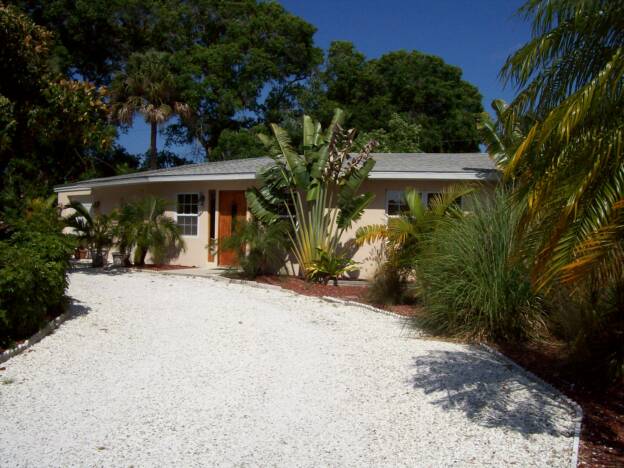
In practice, this looks like smaller buildings arranged around gardens or courtyards. Walking paths, benches, and shaded seating areas replace long hallways and fluorescent lights. Caregivers are trained not just in medical tasks but in building relationships. They learn what each resident enjoys, what frustrates them, and how to support their Activities of Daily Living without stripping away their autonomy.
This approach is especially valuable for dementia and memory care. The Alzheimer's Association has long recommended environments that reduce confusion and agitation. Familiar layouts, outdoor access, and consistent staffing all help. A garden estate setting can offer those elements naturally. Residents with dementia may wander less when they have a safe garden to explore. They sleep better when they get natural light during the day. Small touches like a raised flower bed or a bird feeder can spark recognition and calm.
What Makes Garden Estate Living Different
I have visited enough senior living communities to notice the differences quickly. Here is what garden estate living tends to look like on the ground:
- Smaller resident populations, often 10 to 20 people per home, so everyone knows each other.
- Private or semi-private rooms that open onto shared outdoor spaces rather than interior corridors.
- Meals prepared in a home kitchen, not a central cafeteria, with flexibility for dietary needs.
- Staff who rotate less and stay longer, building real relationships with residents and families.
- A focus on aging in place, meaning residents can stay in the same home as their care needs increase, from independent living through skilled nursing.
None of these features are impossible in a larger facility, but they are harder to sustain. The garden estate model makes them foundational. It also tends to attract caregivers who genuinely enjoy working in a more personal, less frantic environment. That stability matters. When staff turnover is low, residents feel safer and more connected.
Financial Considerations and Access
One question that comes up often is cost. Families worry that a more personalized setting will be out of reach. The reality is more nuanced. Some garden estate communities accept Medicare and Medicaid, especially those that operate as licensed assisted living or skilled nursing facilities. Others are private pay. It depends on the specific license and services offered.
Respite stays are a good way to test the model without a long-term commitment. If a family caregiver needs a break, or if an older adult is recovering from a hospital stay, a short stay in a garden estate home can provide skilled nursing support in a less intimidating setting. The calm environment itself can aid recovery.
Venice has a growing number of senior living communities that incorporate these principles. The climate helps. With mild winters and warm summers, outdoor spaces are usable almost year-round. That makes garden estate living particularly practical here compared to colder regions where residents are stuck indoors for months.
The Role of Caregivers in This Model
Caregivers are the heart of any senior care setting, but in a garden estate they have more room to do their best work. Instead of rushing between dozens of residents, they can spend time with each person. They learn who likes coffee before breakfast, who needs help with a specific Activity of Daily Living, and who benefits from a gentle walk outside before sundown.
This kind of personalized support does not happen by accident. It requires training, adequate staffing ratios, and a culture that values relationships over tasks. Communities that follow the Eden Alternative philosophy often adopt this approach deliberately, recognizing that loneliness, helplessness, and boredom are the real plagues of aging, not just medical conditions.
Healthcare providers in the area are also noticing the benefits. When a resident needs a higher level of care, the transition from a garden estate home to a skilled nursing unit within the same campus can be smoother. The resident already knows the environment and the people. That continuity reduces the trauma of relocation, which can be significant for older adults, especially those with dementia.
Is Garden Estate Living Right for Everyone?
No model fits every person. Some older adults thrive in larger, more active communities with many social opportunities and structured programs. Garden estate living tends to appeal to people who value quiet, nature, and a slower rhythm. It suits those who may feel overwhelmed by a large facility or who need memory care in a setting that reduces stimulation.
It is also worth considering the trade-offs. A smaller home may not have the same range of on-site amenities as a large continuing care retirement community. There may not be a full gym or a theater. But for many families, the trade is worth it. The intimacy of the setting, the quality of relationships with caregivers, and the ability to spend time outdoors every day often outweigh the absence of a pool or a movie room.
I have seen residents in these settings who were anxious and withdrawn in traditional facilities become more relaxed and engaged. The change is not magic. It is the result of thoughtful design and consistent, compassionate care. That is what garden estate living can offer when it is done well: a chance to age in place with dignity, surrounded by nature and people who truly know you.
If you are exploring senior care options for a loved one in Venice, Florida, I would encourage you to visit a few communities that use this approach. Walk the grounds. Talk to the staff. Notice how residents look and how they interact. The best indicator is not the brochure. It is the feeling you get when you walk through the door.